Science Communication
Public engagement with science, environmental communication, trust, knowledge and participation.
SCIENCE · SOCIETY · ENVIRONMENT
Assistant Professor · Researcher · Science Communicator
I study how science, technology, media, communities and Indigenous knowledge come together to shape environmental understanding and conservation.
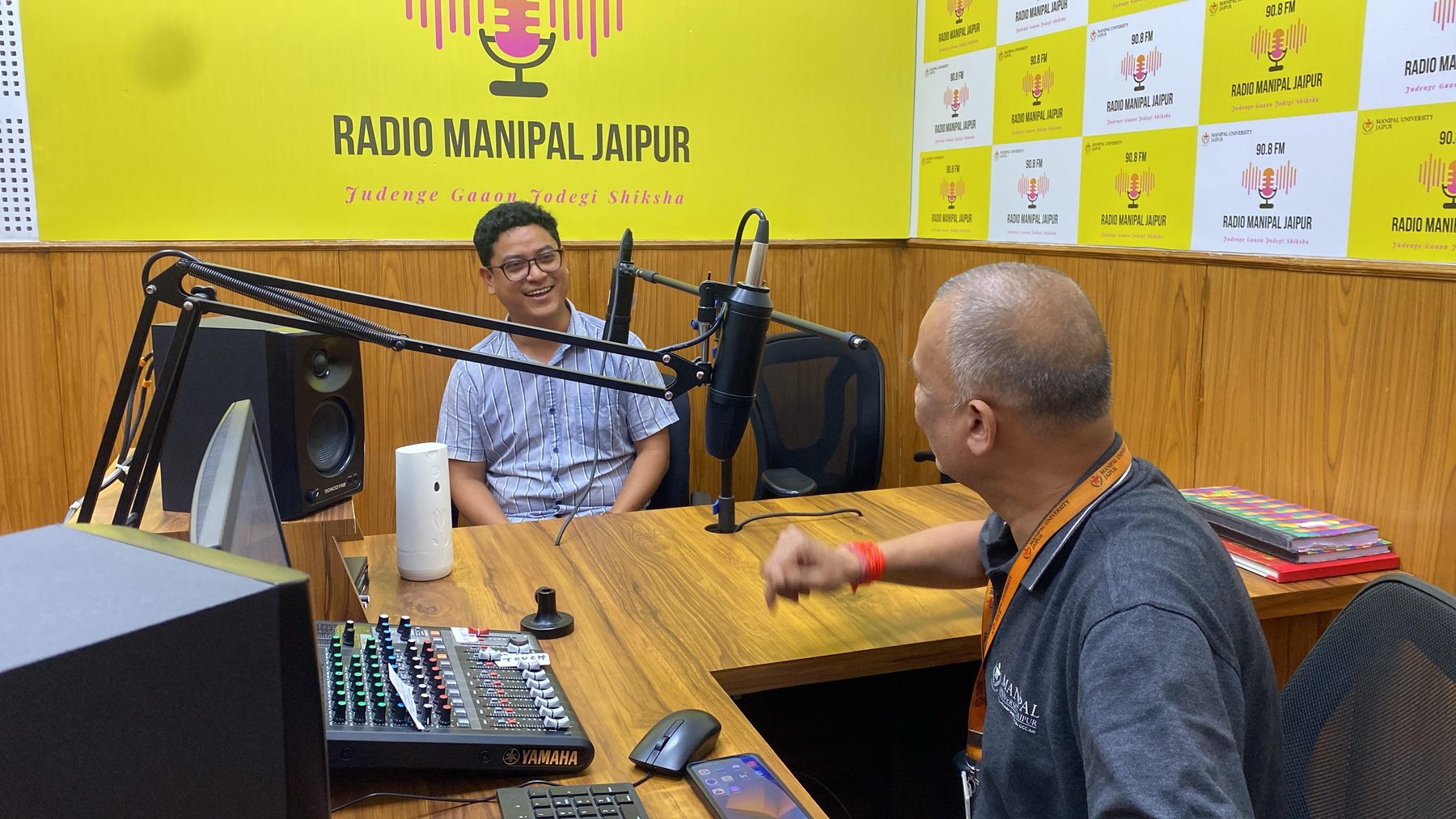
Radio Manipal Jaipur · 90.8 FM

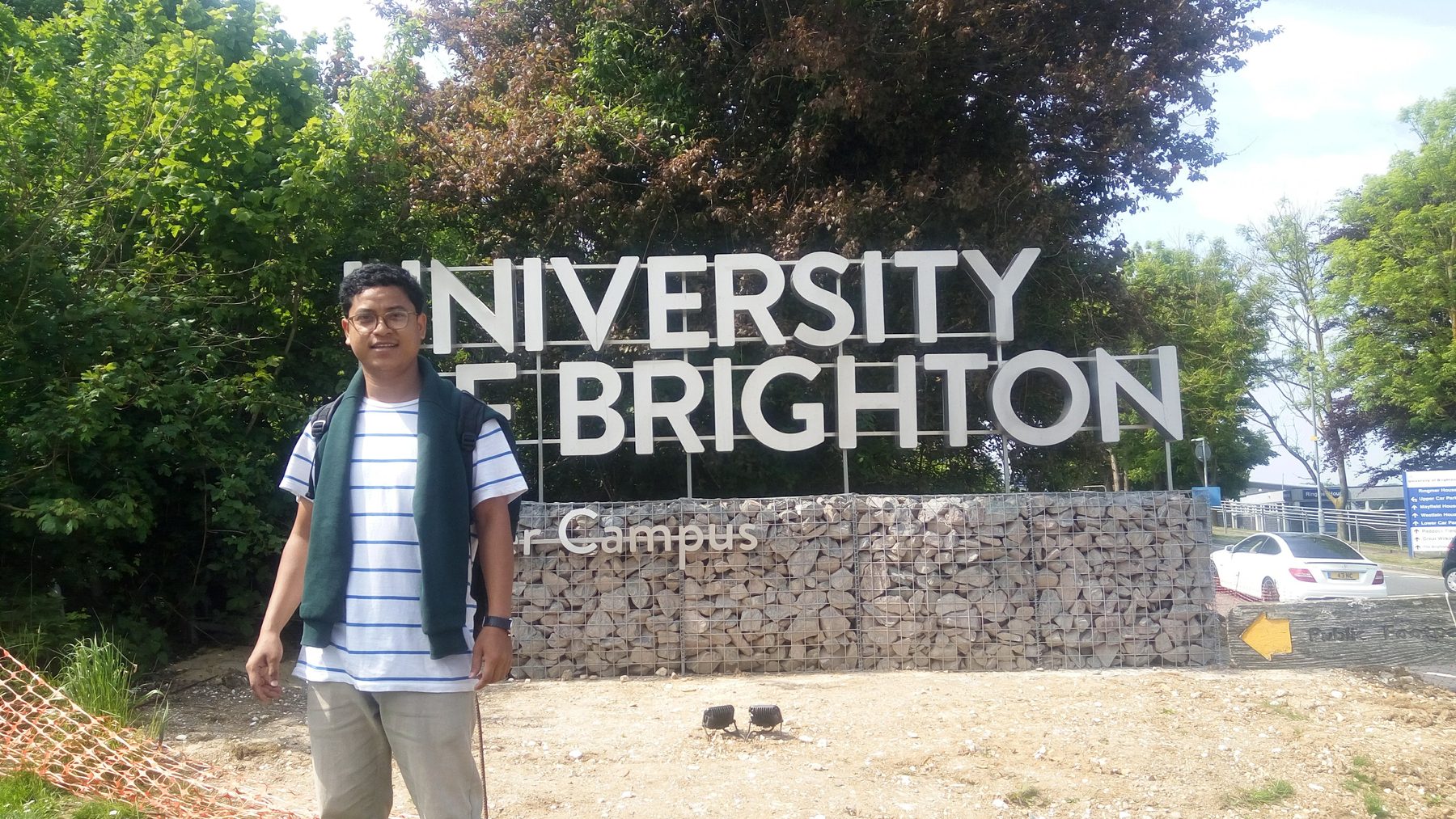
Dr. Rachan Daimary is an interdisciplinary social scientist and Assistant Professor at Manipal University Jaipur. His academic work sits at the intersection of Science and Technology Studies (STS), science communication, conservation social science and environmental humanities.
His research examines how scientific knowledge is produced, communicated and contested in environmental contexts, with particular attention to biodiversity conservation, public engagement, Indigenous and local ecological knowledge, media and environmental governance in India.
“Life is a journey, not a destination.”
Public engagement with science, environmental communication, trust, knowledge and participation.
Knowledge production, expertise, institutions, technology and encounters between scientific and local ways of knowing.
Wildlife conservation, governance, human–wildlife relationships and community participation.
Indigenous and local ecological knowledge in biodiversity conservation and environmental decision-making.
Spatial analysis, protected areas, landscape change and geospatial approaches to environmental research.
Storytelling, cinema, environmental imaginaries and the cultural mediation of conservation.
Research on hydrology, morphometry, landscape change, conservation and environmental governance in Assam.
View project →Research examining elephant movement, conservation technologies, community knowledge and coexistence in Northeast India.
View project →Work on how people encounter, interpret and participate in conservation science and wildlife governance.
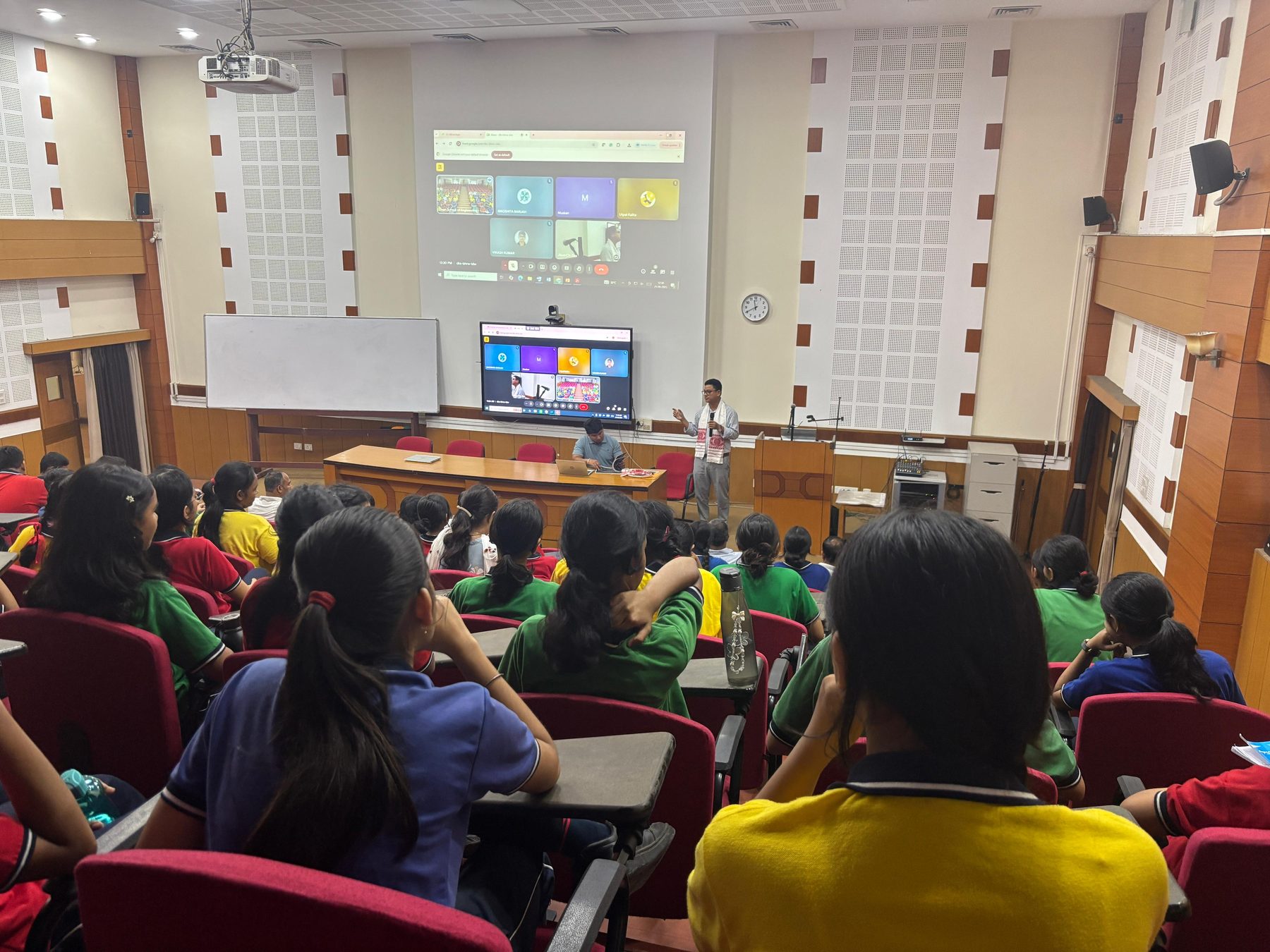
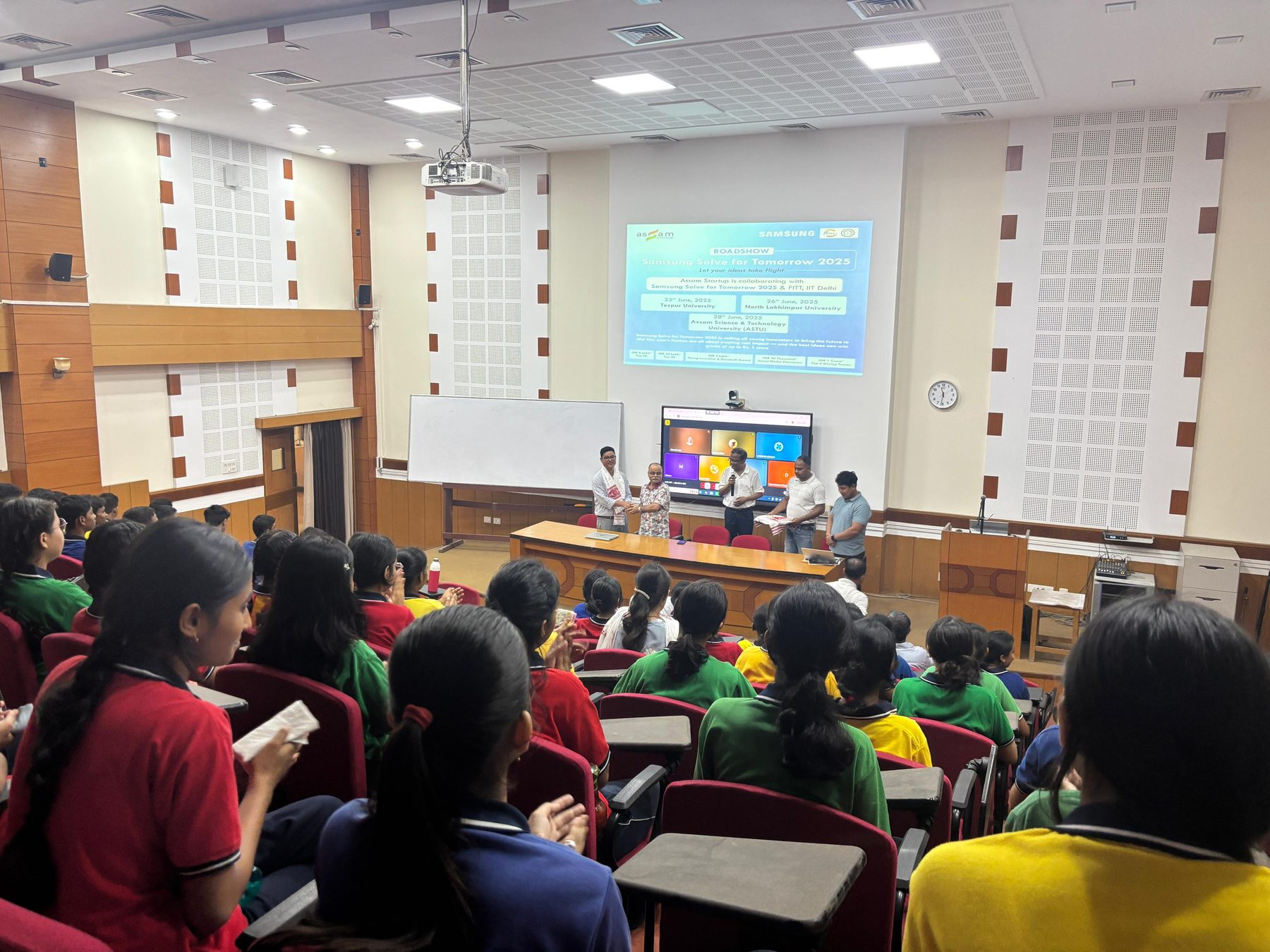
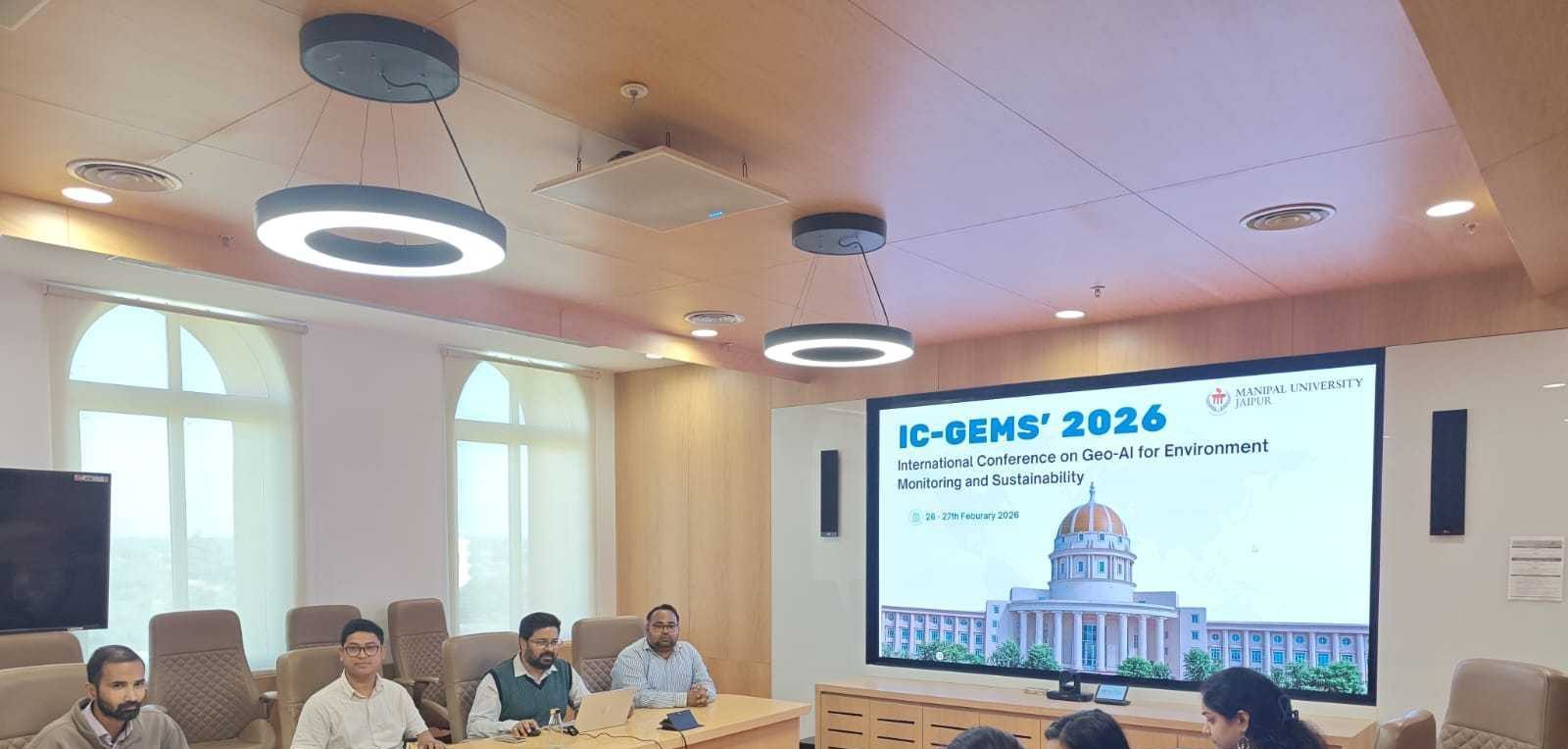
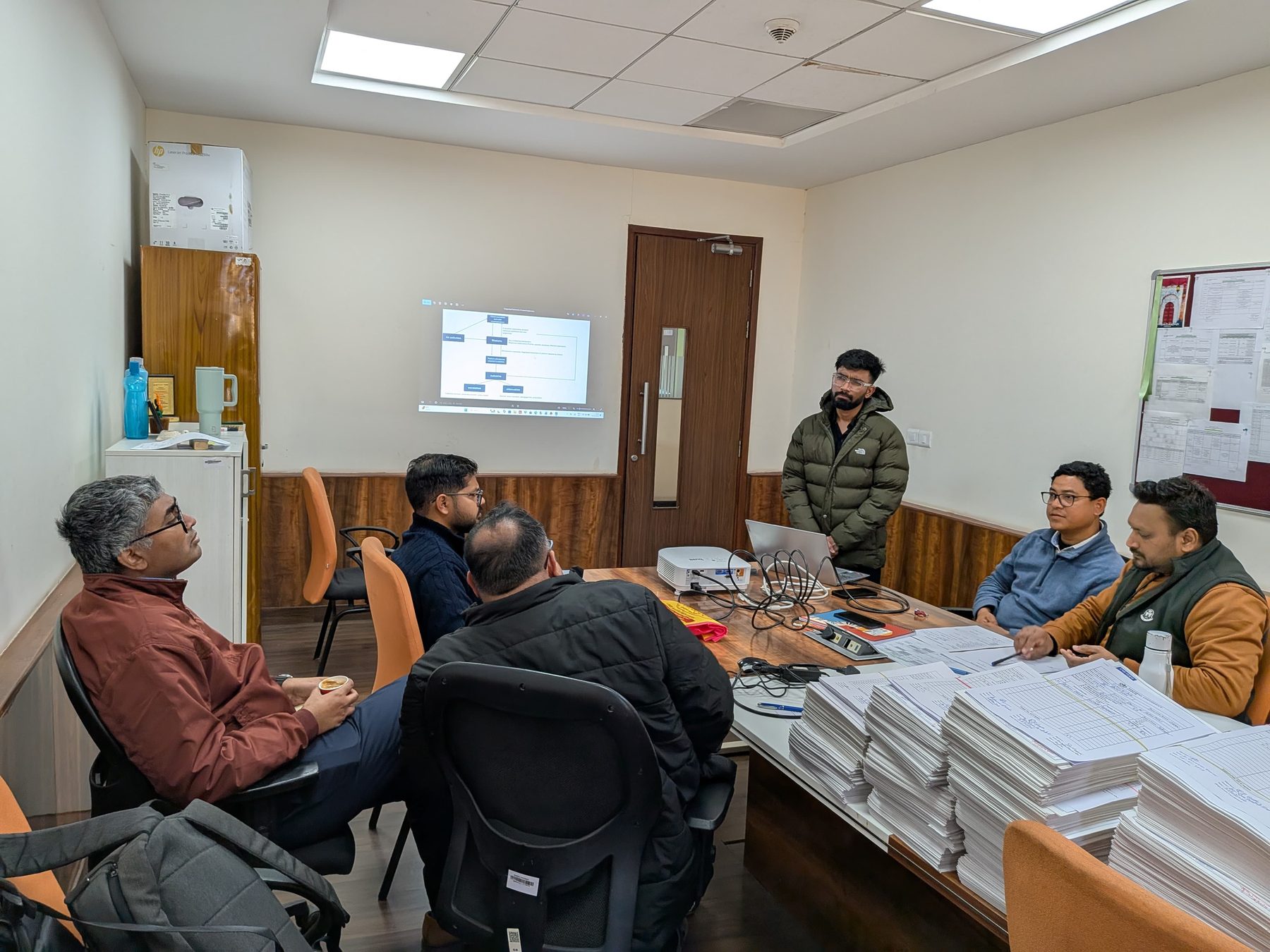
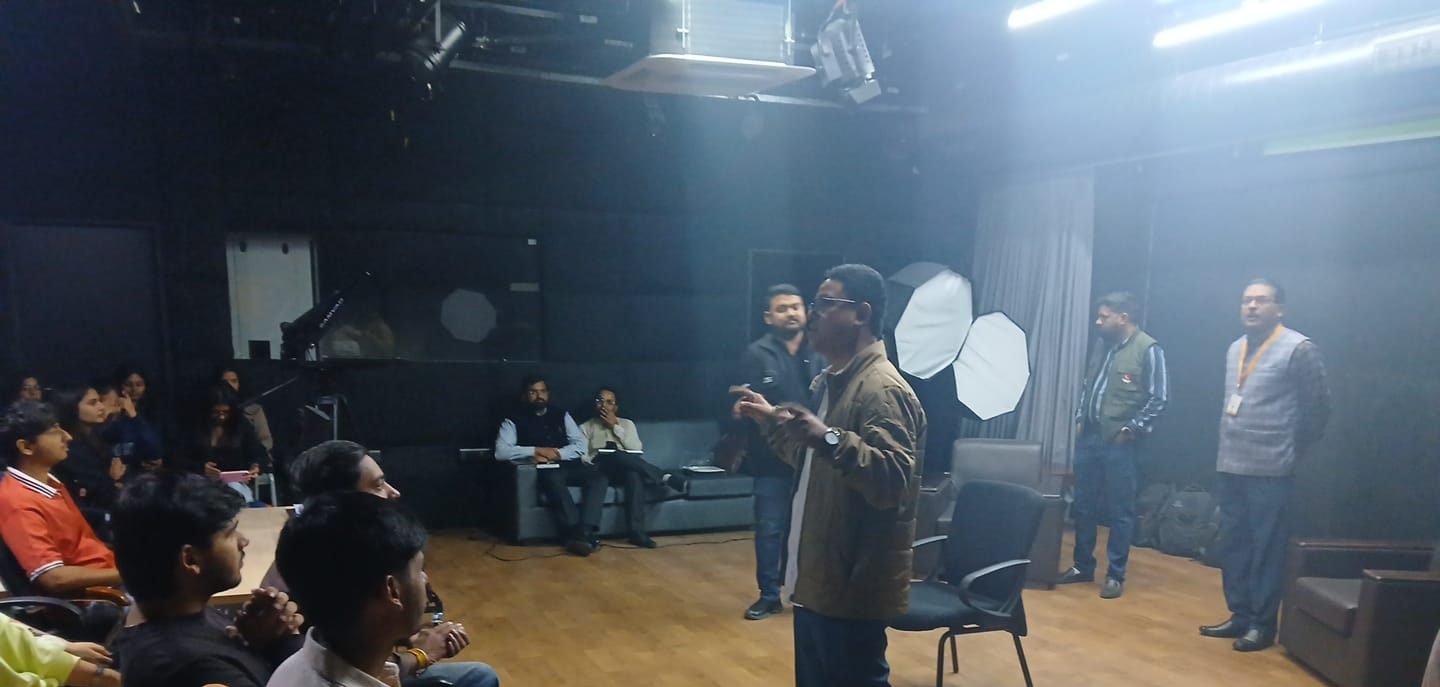
View project →Lectures, studios, conferences and working rooms — where the research meets students, colleagues and the public.
Add verified publication metadata, DOI links and indexing information here. Do not publish unverified citation counts.
Political ecology · Indigenous rights · conservation governance
GIS · hydrology · morphometry · protected areas
Human–elephant coexistence · conservation technology · plural epistemologies
Navigating noise in wildlife conservation through Indigenous knowledge and science.
Theories, practices and pathways for practitioners.
Artificial intelligence, media and the future of human knowledge.
Teaching areas include Film Studies, Documentary Production, Photography, Mobile Journalism, Digital Publishing, Science Communication and Science & Technology Studies.
Teaching materials, course outlines and student research resources can be added here.
For collaborations in science communication, STS, conservation social science, biodiversity, Indigenous knowledge and environmental communication:
YOUR-EMAIL@example.com